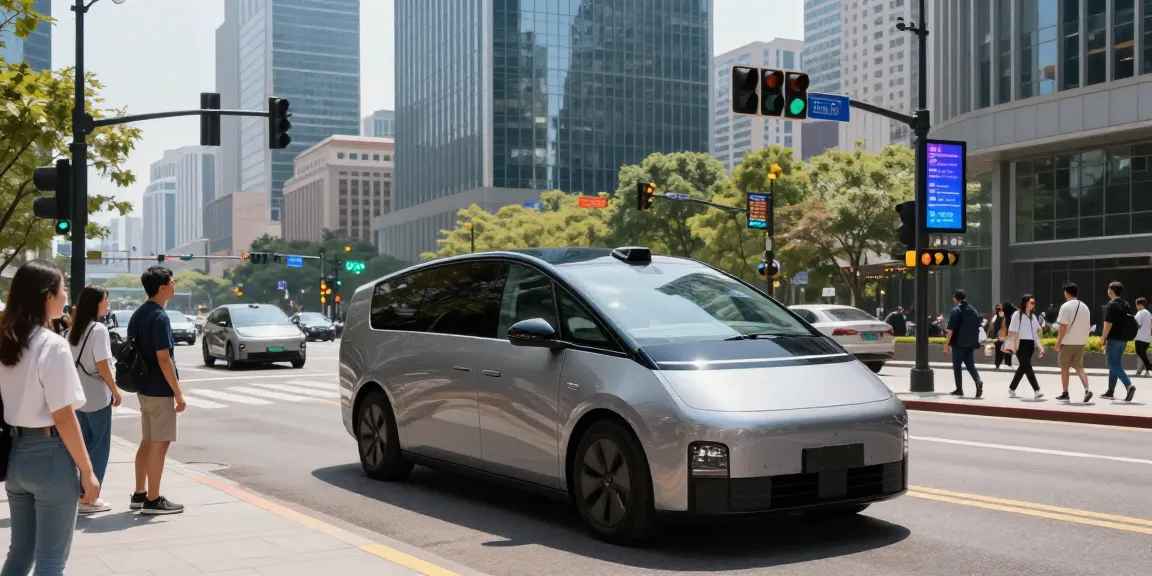
The Rise of Autonomous Driving Technology
Autonomous driving technology represents one of the most significant advancements in transportation today, changing how people commute and interact with vehicles. As we enter 2026, the integration of AI, machine learning, and advanced sensors into vehicles has the potential to redefine mobility. This shift not only enhances convenience and efficiency but also raises various questions about safety, regulations, and the future of urban mobility. When exploring options, autonomous driving technology promises innovative solutions that address growing concerns about traffic, pollution, and safety in our cities.
Understanding Autonomous Driving: Definition and Types
Autonomous driving, often referred to as self-driving, involves vehicles that can operate without human intervention. These vehicles rely on a complex integration of hardware and software, including sensors like Lidar, radar, and cameras, to perceive their surroundings. The Society of Automotive Engineers (SAE) classifies autonomous driving into six levels, ranging from Level 0 (no automation) to Level 5 (full automation). Each level signifies the degree of human involvement required in driving, with Level 5 representing complete autonomy where no human presence is necessary for driving.
Key Technologies Behind Autonomous Vehicles
- Sensor Technology: Autonomous vehicles utilize a combination of sensors to detect obstacles, lane markings, and traffic signals, which allow for navigation in various environments.
- Artificial Intelligence: AI algorithms analyze data from sensors to make real-time decisions, improving the vehicle’s ability to navigate complex scenarios.
- Connectivity: Autonomous vehicles often incorporate vehicle-to-everything (V2X) communication, allowing them to interact with other vehicles and infrastructure, enhancing safety and efficiency.
Impact on Urban Mobility and Infrastructure
The growth of autonomous driving technology is expected to significantly alter urban landscapes. Cities may evolve to accommodate these vehicles, potentially reducing the need for parking spaces and allowing for more green spaces. Additionally, improved traffic flow could result from the coordinated movement of autonomous vehicles, thus reducing congestion and emissions. Urban planners must adapt to these changes, creating policies that ensure sustainable integration of autonomous driving into existing transportation frameworks.
Safety and Regulations in Autonomous Driving
Current Safety Standards for Autonomous Vehicles
Safety is a paramount concern in the development of autonomous driving technology. Various organizations, such as the National Highway Traffic Safety Administration (NHTSA) in the U.S., have established guidelines that manufacturers must meet to ensure vehicle safety. These standards cover everything from crash testing to cybersecurity measures, as ensuring safe operation in all scenarios is critical to gaining public acceptance.
Regulatory Frameworks Across Different Regions
The regulatory environment for autonomous vehicles varies globally. In the U.S., legislation is still developing, with different states experimenting with their frameworks. In contrast, countries like Germany and Japan have set more structured regulations regarding the testing and deployment of autonomous vehicles. Understanding these regulations is crucial for manufacturers aiming to introduce their technology in international markets.
Challenges and Solutions for Safe Implementation
Despite advancements, numerous challenges remain in implementing autonomous driving technology safely. The unpredictability of human drivers, regulatory uncertainties, and technological limitations pose significant hurdles. To address these challenges, manufacturers are investing in advanced AI capabilities and conducting extensive real-world testing to ensure vehicles can handle diverse scenarios reliably.
Autonomous Driving and the User Experience
How Autonomous Vehicles Change Passenger Interaction
The user experience in autonomous vehicles is evolving beyond traditional driving. Passengers can now engage in activities such as working, relaxing, or socializing, as the vehicle takes care of navigation. This paradigm shift encourages manufacturers to design user-centric interfaces that prioritize comfort and engagement while ensuring safety during transit.
Addressing User Concerns: Trust and Acceptance
A significant barrier to the widespread adoption of autonomous vehicles is public trust. Many individuals express concerns over the reliability of self-driving technology, particularly regarding safety. Educating consumers about the technology’s capabilities and implementing transparent communication strategies will be vital for fostering trust and acceptance.
Designing for Safety and Comfort in Autonomous Cars
Safety and comfort are critical in the design of autonomous vehicles. The interior of these vehicles may need to incorporate features that allow passengers to feel secure, such as robust safety restraints and emergency protocols. Moreover, the design should cater to passive engagement, providing a relaxing environment conducive to various activities.
Real-World Applications of Autonomous Driving
Case Studies: Companies Leading the Charge
Several companies are at the forefront of autonomous driving technology. Tesla, Waymo, and Cruise are among those actively testing and deploying autonomous vehicles. Their approaches vary from fully autonomous ride-sharing services to personal vehicles equipped with advanced driver-assistance systems, showcasing the diverse applications of this technology.
Autonomous Ridesharing Services: A New Era of Transportation
Autonomous ridesharing services are reshaping urban transportation. Services such as Waymo One in Phoenix allow users to hail self-driving vehicles for their commutes. This not only offers convenience but also provides insights into the efficiencies gained through autonomous fleets, which can optimize routes and reduce wait times.
Combating Traffic Congestion with Smart Technology
Implementing smart technology within autonomous vehicles can significantly reduce traffic congestion. By utilizing real-time data and communication with traffic management systems, autonomous cars can adapt their routes to avoid heavy traffic areas, leading to smoother flows and reduced travel times.
The Future of Autonomous Driving: Trends and Predictions
Technological Innovations Expected by 2026
Looking ahead, we anticipate further innovations in technology, including more advanced AI algorithms that enhance decision-making capabilities in autonomous vehicles. Expect greater integration of machine learning, allowing vehicles to learn from their environments and improve their operation over time. Enhanced battery technology will also contribute to longer driving ranges for electric autonomous vehicles.
How Autonomous Driving Will Shape Future Cities
As autonomous vehicles become more prevalent, cities will likely reimagine their layouts. Reduced dependency on personal vehicles may lead to pedestrian-friendly designs, with more green spaces and thoroughfares for cyclists and pedestrians. Furthermore, parking structures could be repurposed for residential or commercial developments.
Emerging Business Models and Opportunities in the Sector
The rise of autonomous vehicles will create new business models, from vehicle-sharing platforms to increased demand for related services, such as maintenance and software support. Companies that can adapt to these emerging needs will find significant opportunities for growth and innovation in this evolving landscape.
What are the common misconceptions about autonomous driving?
Many people believe that autonomous vehicles are designed to work without any human oversight, which is not entirely accurate. Most current systems require some level of human intervention and are more accurately categorized as advanced driver assistance systems (ADAS). Education about these capabilities is crucial for setting realistic expectations.
How will autonomous vehicles impact public transportation?
Autonomous vehicles are likely to complement existing public transportation systems rather than replace them. They can serve as efficient last-mile solutions, connecting commuters from their homes to public transit hubs, enhancing the overall efficiency of transportation networks.
What are the main legal challenges facing autonomous driving?
Legal challenges for autonomous driving primarily involve liability issues in the event of accidents. Determining responsibility between manufacturers, software developers, and vehicle operators remains a complex issue that requires legislative clarity.
How do different countries regulate autonomous driving technology?
Regulations for autonomous vehicles differ notably between countries. Countries like the U.S. have state-specific regulations, while others like Germany have a federal approach, setting clear guidelines for testing and deploying autonomous vehicles. This regulatory patchwork presents challenges for global manufacturers.
What advancements should we expect in autonomous vehicle safety?
Future advancements in autonomous vehicle safety will likely involve enhanced sensor technologies and algorithms, providing vehicles with better situational awareness. As AI continues to mature, vehicles will be better equipped to respond to complex scenarios, potentially reducing accidents and improving overall safety on the roads.